
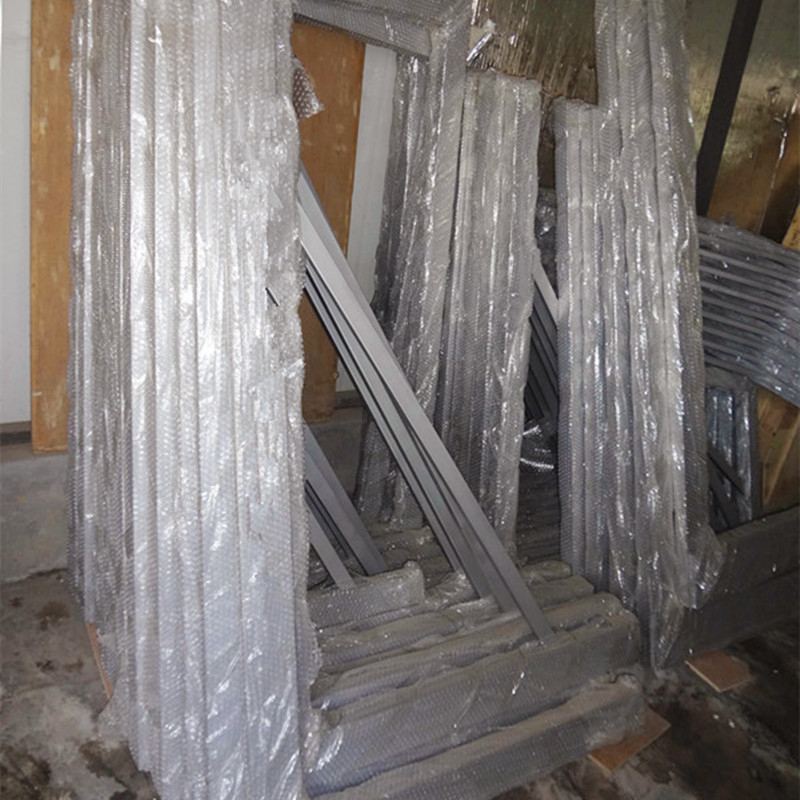
smoked mirror panels
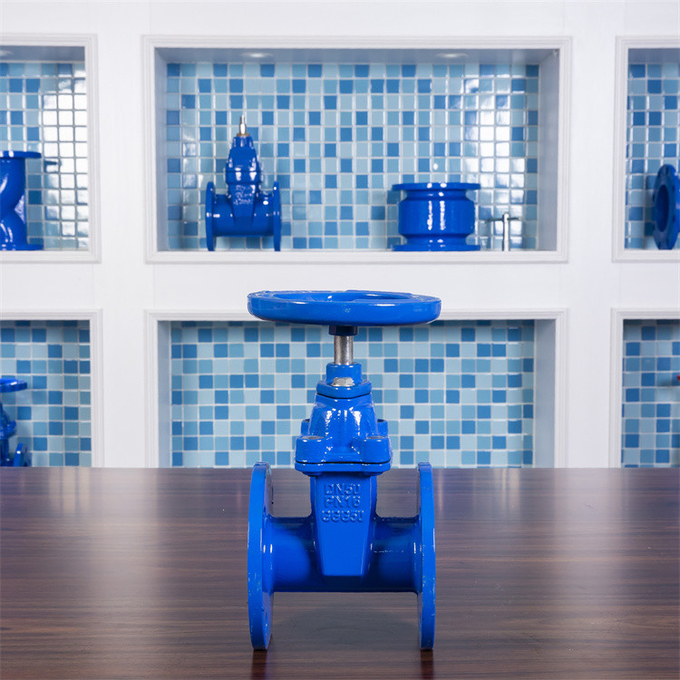
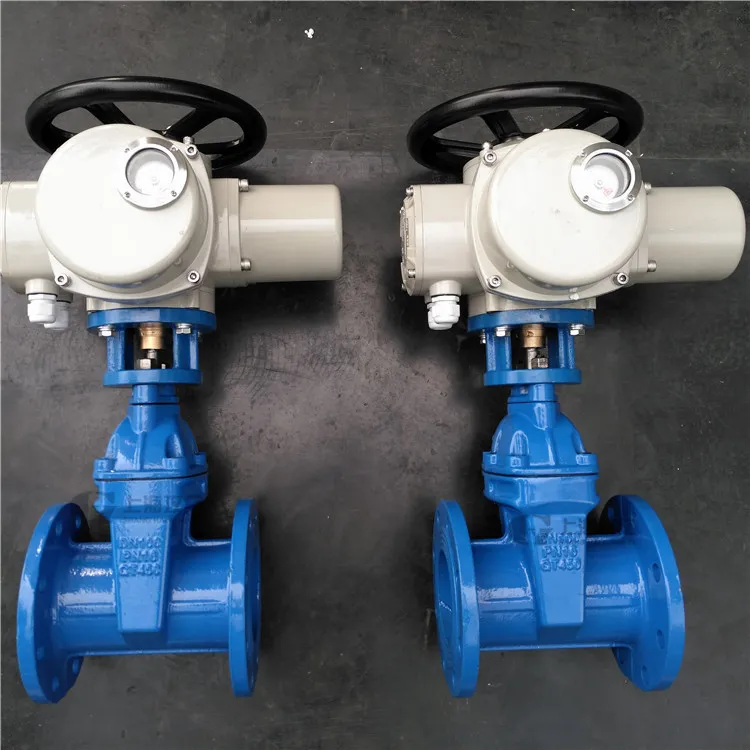
Metalli-vesiluukku Kestävä ratkaisu vesihuoltoon Vesihuolto on yksi moderneja yhteiskuntia koettelevista keskeisistä haasteista. Teknologian kehittyessä yhä useammat ratkaisut pyrkivät parantamaan vesijärjestelmien tehokkuutta ja kestävyyttä. Yksi tällainen innovaatio on metalli-vesiluukku, joka yhdistää kestävän materiaalin ja optimaalisen toimivuuden. Metalli-vesiluukut ovat erityisesti suunniteltu kestämään korkeita paineita ja vaihtelevia sääolosuhteita. Niitä käytetään laajalti eri sovelluksissa, kuten kaupunkien vesijärjestelmissä, teollisuudessa ja rakentamisessa. Metalli, kuten teräs tai alumiini, tarjoaa erinomaisen vahvuuden ja korroosionkestävyyden, mikä tekee siitä ihanteellisen valinnan vesiluukuiksi. Metalli-vesiluukku Kestävä ratkaisu vesihuoltoon Turvallisuus on toinen tärkeä syy metalli-vesiluukkujen suosioon. Ne tarjoavat erinomaisen suojan sekä ihmisille että ympäristölle. Luukkujen tiivis rakenne estää veden pääsyn ulkopuolisiin tiloihin ja vähentää riskiä vesivahingoista. Lisäksi, metalli-vesiluukut voidaan varustaa erilaisilla turvallisuusominaisuuksilla, kuten lukitusmekanismeilla, jotka estävät luvattoman pääsyn. metal water valve Ekologinen näkökulma on myös yhä tärkeämpää nykypäivän rakentamisessa. Metalli-vesiluukut voidaan valmistaa kierrätetyistä materiaaleista, mikä vähentää uusien raaka-aineiden tarvetta. Tämä ei vain vähennä ympäristökuormitusta, vaan myös edistää kiertotaloutta. Monet valmistajat ovat sitoutuneet ympäristöystävällisiin tuotantoprosesseihin, joissa kiinnitetään huomiota energian kulutukseen ja päästöihin. Metalli-vesiluukkuihin liittyvä teknologia on myös kehittynyt merkittävästi. Nykyään on mahdollista integroida erilaisia antureita ja IoT-ratkaisuja, jotka mahdollistavat vesijärjestelmien reaaliaikaisen seurannan. Nämä älykkäät vesiluukut voivat ilmoittaa mahdollisista vuodoista tai paine-eroista, mikä mahdollistaa nopean reagoinnin ongelmatilanteissa ja auttaa ehkäisemään suurempia vaurioita. Valittaessa vesiluukkuja, on tärkeää miettiä paitsi materiaalivalintoja myös niitä käyttötarkoituksia, joihin niitä ollaan asentamassa. Erilaisilla alueilla, kuten taajamissa tai teollisuusalueilla, metalli-vesiluukkuihin on kohdistettu erityisasiakirjoja, jotka huomioivat alueen erityistarpeet ja vaatimukset. Tämä tarkoittaa, että jokainen projekti voidaan räätälöidä parhaiten tarpeita vastaavaksi. Lopuksi, metalli-vesiluukut ovat kestävä, turvallinen ja ympäristöystävällinen vaihtoehto perinteisille vesiluukkuille. Niiden pitkä käyttöikä ja alhaiset kunnossapitokustannukset tekevät niistä houkuttelevan ratkaisun sekä julkiselle että yksityiselle sektorille. Tulevaisuudessa teknologian kehitys tullaan todennäköisesti lisäämään niiden toimivuutta entisestään, mikä tekee niistä vieläkin parempia investointeja vesihuollon alalla. Kestävä kehitys ja innovaatiot kulkevat käsi kädessä – metalli-vesiluukut ovat yksi esimerkki tästä yhteydestä.
about
smoked mirror panels
Replacing a Water Valve A Step-by-Step Guide Water valves are essential components of any plumbing system, controlling the flow of water in and out of various fixtures and appliances. Over time, these valves can wear out, become corroded, or develop leaks, necessitating their replacement. If you find yourself in a situation where you need to replace a water valve, whether it’s for a sink, toilet, or main water line, this guide will provide you with a comprehensive overview of the process, ensuring that you can carry out this task efficiently and safely. Understanding Water Valves Before diving into the replacement process, it’s essential to understand what type of water valve you are dealing with. Common types include gate valves, ball valves, and globe valves. Gate valves are typically used for on/off control and are not ideal for throttling. Ball valves, on the other hand, offer a quick on/off function with minimal flow resistance. Globe valves are mainly used for regulating flow. Identifying your valve type will help you choose the right replacement. Tools and Materials To successfully replace a water valve, gather the following tools and materials - Adjustable wrenches or a set of pipe wrenches - Screwdriver (flathead or Phillips, depending on your valve) - Replacement valve - Plumber’s tape (Teflon tape) - Bucket or towels to catch any residual water - Safety goggles and gloves Steps to Replace a Water Valve 1 . Turn Off the Water Supply Safety is paramount when working with plumbing. Locate the main water shut-off valve in your home, usually found near the water meter. Turn it off by rotating the handle clockwise. If you're replacing a valve for a specific fixture, such as a sink or toilet, you may find individual shut-off valves beneath the fixture. 2. Drain the System Open the faucet or fixture associated with the valve you are replacing to allow any remaining water to drain out of the system. This step is crucial to prevent water from spilling when you remove the valve. replace a water valve 3. Remove the Old Valve Using your adjustable wrenches, carefully loosen and disconnect the old valve from the pipe. If the valve has screws, use your screwdriver to remove them first. Be prepared for some residual water to spill out, so keep your bucket or towels handy. 4. Clean the Threads Once the old valve is removed, inspect the threads on the pipe for any debris or old plumber’s tape. Clean the threads to ensure a good seal with the new valve. Any residue could lead to leaks. 5. Install the New Valve Wrap the threads of the pipe with plumber's tape to ensure a tight seal. Then, attach the new valve by threading it onto the pipe. Make sure it’s oriented correctly, with the handle positioned in a way that makes it easy to operate. Tighten it carefully with your wrench, being cautious not to over-tighten, as this can damage the threads. 6. Check for Leaks Once the new valve is installed, turn the main water supply back on slowly. Look for any signs of leaks around the valve. If you notice any leaking, you may need to tighten it slightly or reapply plumber's tape. 7. Test the Valve Finally, test the new valve by turning it on and off a few times. Make sure it operates smoothly and that water flows without any obstruction. Check for leaks once more after testing. Conclusion Replacing a water valve is a straightforward task that can save you from costly plumbing issues in the future. By following these steps, you can ensure that the valve operates efficiently and securely. Always remember to wear proper safety gear and take your time to do the job correctly. If at any point you feel uncomfortable or unsure, don’t hesitate to consult a professional plumber. Regular maintenance of your plumbing system will not only prolong its life but also ensure the health and safety of your home environment.
-

High quality industrial productsagement

High quality industrial products
View Details -

Meet the diverse needs of customers

Meet the diverse needs of customers
View Details -

Strict quality control

Strict quality control
View Details -

Top raw materials

Top raw materials
View Details -

Trusted supplier

Trusted supplier
View Details
Our application


news and information
Valvola di ritegno da 4 pollici
La valvola di ritegno da 3 4 pollici è un componente essenziale nei sistemi idraulici e pneumatici.
Válvula de retenção SS
Válvula de Retenção SS Importância e Aplicações No mundo da engenharia e da mecânica, o uso de válvu
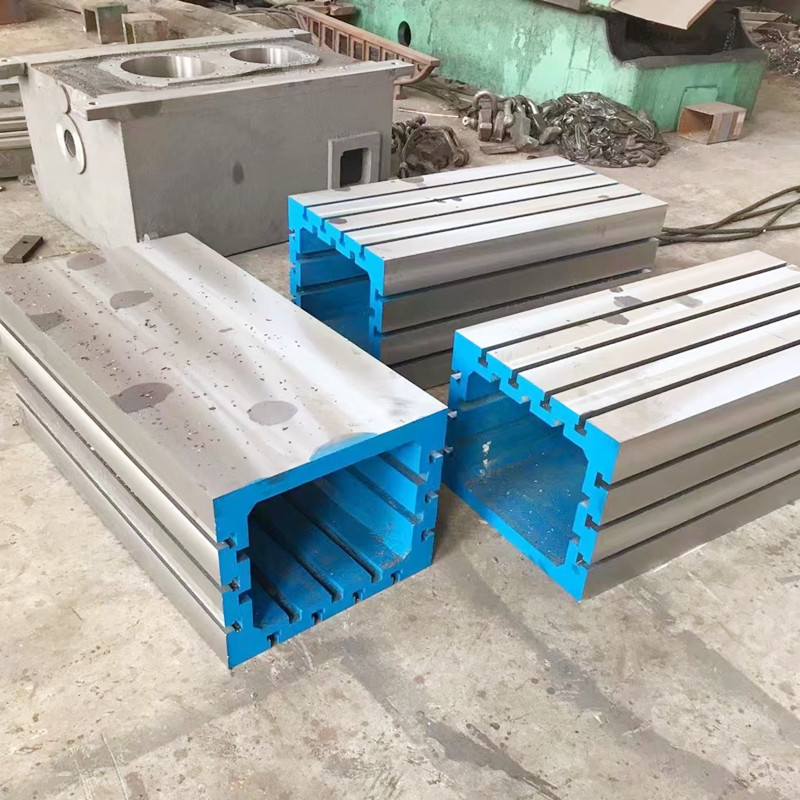
Welding Table Cast Iron Heat Resistance
In the realm of welding, the welding table serves as a crucial foundation for all operations. Among
 English